


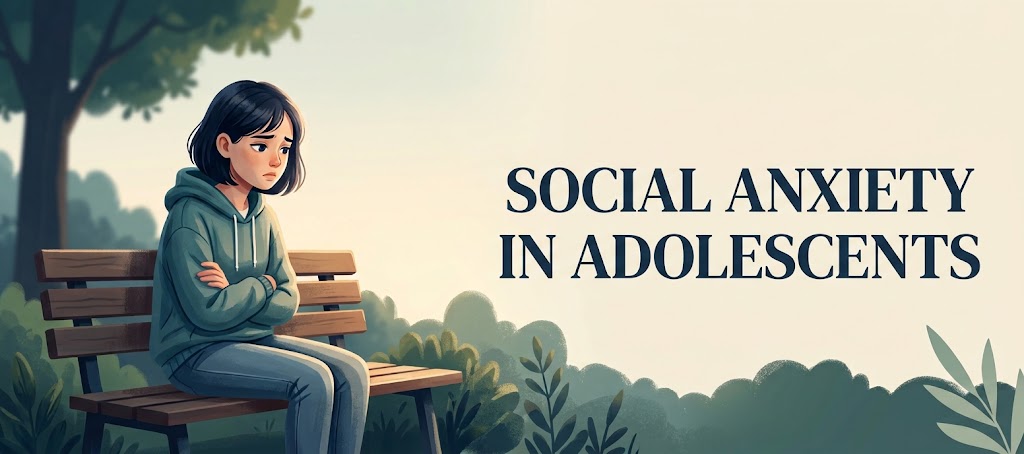
Social Anxiety in Adolescents: Symptoms, Causes, and the Therapy Process
Adolescence is a period when identity development accelerates, friendships become increasingly important, and sensitivity to other people’s opinions grows. During this stage, it is natural for young people to occasionally feel shy, nervous in unfamiliar environments, or hesitant about speaking in public. However, when anxiety in social situations becomes intense and begins to limit an adolescent’s school, family, or social life, it may be necessary to consider the possibility of social anxiety.
What Is Social Anxiety in Adolescents?
Social anxiety is an intense fear of being negatively judged, criticised, humiliated, or rejected by others. An adolescent may worry about making a mistake, being misunderstood, or having other people notice that they feel anxious.
Speaking in class, giving a presentation, meeting new people, joining a group, eating in public, or asking a teacher for help may become particularly challenging. While some adolescents openly express their anxiety, others may become quiet, appear irritable, or find various reasons to avoid social situations.
What Are the Symptoms of Social Anxiety?
Social anxiety in adolescents may involve emotional, physical, and behavioural symptoms. Intense embarrassment, fear of criticism, constantly trying to predict what others are thinking, and beginning to worry several days before a social event are common signs.
During moments of anxiety, adolescents may experience a rapid heartbeat, facial flushing, sweating, trembling, nausea, dizziness, or the feeling that their mind has gone blank. They may avoid eye contact, speak very quietly, or freeze when expected to talk.
Refusing to attend school, avoiding participation in class, trying to escape presentations, repeatedly cancelling plans with friends, and preferring to communicate only with family members may also be behavioural signs of social anxiety. Although avoidance can provide temporary relief, it may cause anxiety to persist and become stronger over time.
The Difference Between Shyness and Social Anxiety
Shyness is not, in itself, a psychological disorder. A shy adolescent may initially struggle to adjust to a new environment but gradually begin communicating and continue fulfilling everyday responsibilities. In social anxiety, however, the fear is more intense and persistent. Because of this anxiety, the adolescent may withdraw from school activities, friendships, or experiences that could support their development.
When fear in social situations continues for a long time and causes significant difficulties in education, relationships, or daily life, a professional assessment becomes important.
What Causes Social Anxiety in Adolescents?
There is no single cause of social anxiety in adolescents. Genetic predisposition, temperament, family relationships, and environmental experiences may all contribute to its development. Experiences such as bullying, exclusion, ridicule, public humiliation, or persistent criticism may trigger or intensify social anxiety.
During adolescence, peer approval becomes increasingly important. Constant comparison on social media may also increase anxiety about appearance, behaviour, and personal abilities. However, the development of social anxiety does not mean that the adolescent or their family has done something wrong.
How Does Social Anxiety Affect an Adolescent’s Life?
Social anxiety may make it difficult for an adolescent to demonstrate their academic potential, form new friendships, and develop independence. Avoiding classroom participation despite knowing the answer, withdrawing from group projects, or experiencing intense performance anxiety during exams may negatively affect academic achievement.
Prolonged social withdrawal may also be associated with loneliness, low self-esteem, and depressive symptoms. For this reason, it is important not to interpret the adolescent’s behaviour simply as “shyness” or “unwillingness.”
How Can Families Support an Adolescent?
Families should listen without putting pressure on the adolescent and avoid minimising their anxiety. Statements such as “There is nothing to be afraid of” or “You should be more sociable” may leave the adolescent feeling misunderstood. Instead, trying to understand their feelings and recognising their small steps can be more helpful.
At the same time, protecting the adolescent from every anxiety-provoking situation may reinforce avoidance. The aim is not to force them into challenging situations before they are ready, but to support their participation in social experiences through safe, planned, and age-appropriate steps.
Therapy for Social Anxiety in Adolescents
Psychotherapy can provide effective support for adolescents experiencing social anxiety. During therapy, fears of criticism, rejection, humiliation, and being perceived as inadequate are explored. The process may also address anxiety-provoking thoughts, avoidance behaviours, previous relational experiences, and difficulties related to self-esteem.
Cognitive behavioural therapy and gradual exposure techniques are among the approaches frequently used for social anxiety. Depending on the adolescent’s individual needs, other psychotherapy approaches may also be beneficial. When appropriate, collaboration with the family and school can further support the therapeutic process.
If an adolescent’s social anxiety significantly affects their education, friendships, or daily functioning, seeking support from a mental health professional is important. With appropriate support, adolescents can better understand their anxiety, safely approach situations they have been avoiding, and learn to feel more comfortable and confident in social relationships.
