


Panic Disorder
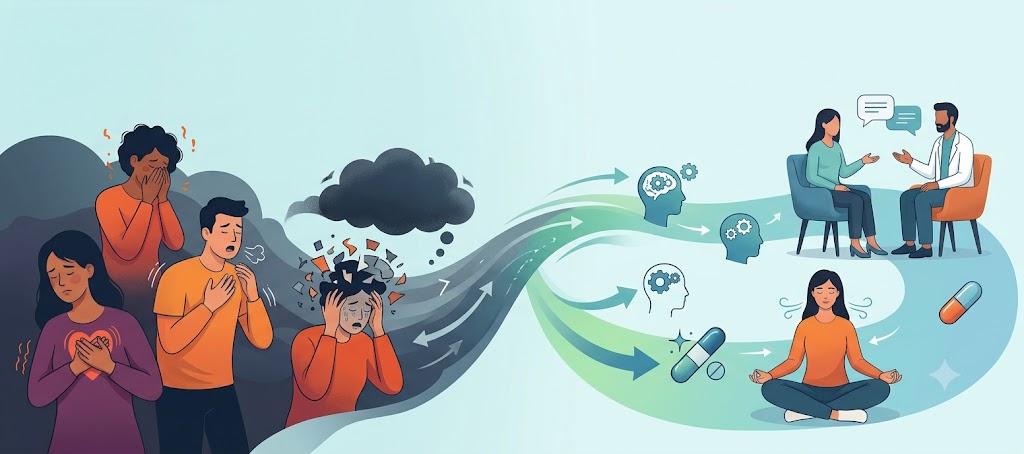
Panic disorder is an anxiety disorder characterized by unexpected panic attacks and persistent fear that another attack may occur. During a panic attack, a person may experience intense fear even when there is no real danger. Physical symptoms such as a racing heart, shortness of breath, dizziness, or chest pain are often mistaken for signs of a serious medical condition. As a result, many people seek emergency medical care during their first panic attack.
Panic disorder can significantly affect a person’s quality of life. However, with a proper psychological assessment and appropriate psychotherapy, symptoms can be managed effectively, allowing individuals to regain confidence in their daily lives.
What Is Panic Disorder?
Panic disorder is a mental health condition characterized by recurrent and unexpected panic attacks. These attacks usually reach their peak within a few minutes and are often accompanied by physical sensations that may lead the individual to believe they are having a heart attack, suffocating, fainting, or even dying.
Beyond the attacks themselves, one of the defining features of panic disorder is the persistent fear of experiencing another panic attack. Over time, this fear may lead individuals to avoid certain places, situations, or activities, negatively affecting their work, relationships, and overall daily functioning.
Symptoms of Panic Disorder
Symptoms experienced during a panic attack vary from person to person, but commonly include:
- Rapid heartbeat or heart palpitations
- Shortness of breath or a feeling of suffocation
- Chest pain or tightness
- Dizziness or feeling faint
- Trembling and excessive sweating
- Nausea or stomach discomfort
- Numbness or tingling in the hands and feet
- Chills or hot flashes
- Fear of losing control or “going crazy”
- Fear of dying
- Feelings of unreality (derealization) or detachment from oneself (depersonalization)
Although these symptoms can feel overwhelming, panic attacks themselves are not life-threatening. Nevertheless, they should always be evaluated by a qualified mental health professional.
What Causes Panic Disorder?
There is no single cause of panic disorder. It is generally believed to result from a combination of biological, psychological, and environmental factors.
Possible risk factors include:
- A family history of anxiety or panic disorder
- Chronic stress or major life changes
- Traumatic experiences
- Persistent anxiety
- Adverse childhood experiences
- A tendency to catastrophize physical sensations
- Perfectionism or a strong need for control
Since every individual’s life experiences are unique, the development and presentation of panic disorder can differ from person to person.
Are Panic Attacks and Panic Disorder the Same Thing?
No.
Experiencing one or several panic attacks does not necessarily mean someone has panic disorder. A diagnosis of panic disorder typically involves recurrent panic attacks along with persistent concern about future attacks, leading the individual to change their behavior.
For example, a person may begin avoiding:
- Public transportation
- Shopping malls
- Driving in traffic
- Leaving home alone
- Crowded places
Over time, these avoidance behaviors can significantly restrict daily life.
How Is Panic Disorder Treated?
Panic disorder is a highly treatable condition. Psychotherapy helps individuals understand their panic symptoms, manage anxiety more effectively, and regain confidence in everyday situations.
During therapy, the focus may include:
- Identifying thoughts that trigger panic attacks
- Understanding the interpretation of physical sensations
- Addressing thinking patterns that maintain anxiety
- Reducing avoidance behaviors
- Rebuilding a sense of safety and confidence
- Exploring the psychological processes underlying anxiety
The therapeutic approach is tailored to each individual’s needs. Depending on the clinical presentation, treatment may include Cognitive Behavioral Therapy (CBT), Psychodynamic Therapy, EMDR, or other evidence-based therapeutic approaches. In some cases, psychiatric evaluation and medication may also be recommended.
How Long Does Therapy for Panic Disorder Take?
The duration of therapy varies from person to person. Factors such as the severity of symptoms, how long the anxiety has been present, co-occurring psychological concerns, and the individual’s treatment goals all influence the process.
Some individuals experience significant improvement within a relatively short period, while others may benefit from a longer-term therapeutic process. Therapy is always individualized and reviewed regularly based on the person’s progress.
When Should You Seek Professional Support?
It may be beneficial to seek professional psychological support if you:
- Experience recurrent panic attacks
- Constantly worry about having another attack
- Notice that anxiety is limiting your daily life
- Have begun avoiding certain situations or places
- Find that your work, education, or social relationships are being affected
Seeking support early can help prevent symptoms from becoming more persistent and improve overall quality of life.
Panic Disorder Therapy at Face to Face Therapia
At Face to Face Therapia, we provide evidence-based psychotherapy for individuals experiencing panic disorder. Our therapeutic approach is tailored to each person’s unique needs, focusing not only on reducing panic symptoms but also on understanding the psychological factors contributing to anxiety and improving overall well-being.
We offer both online and in-person therapy, allowing you to receive professional psychological support in the format that best suits your needs.
